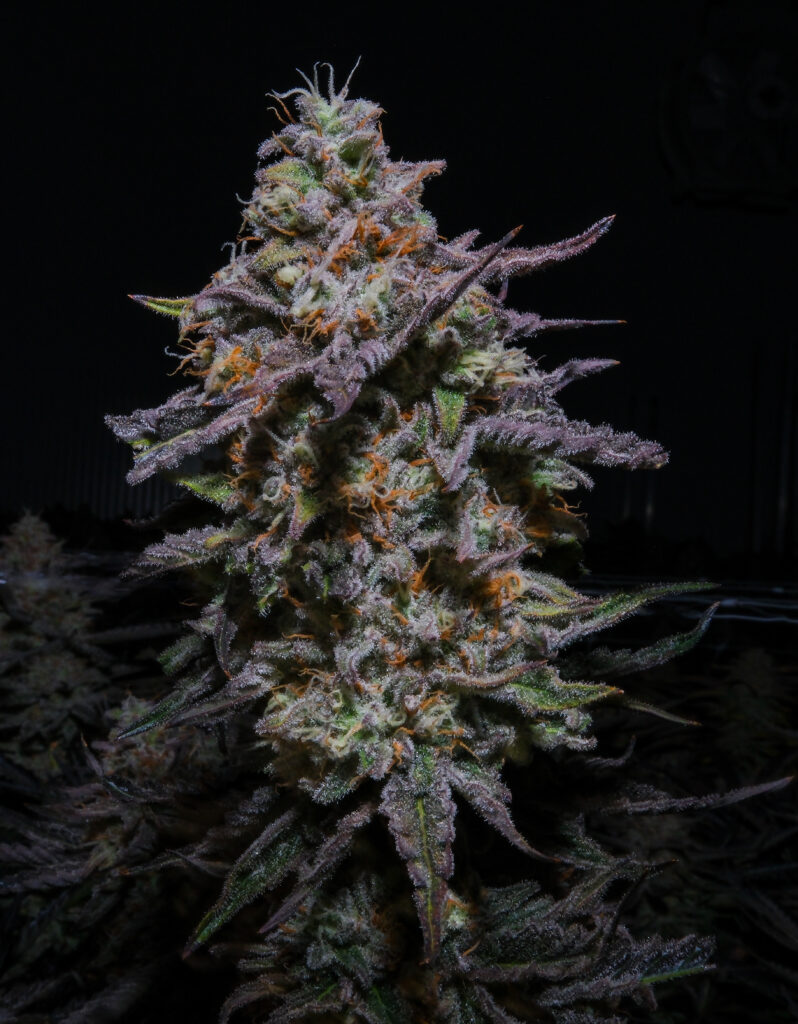
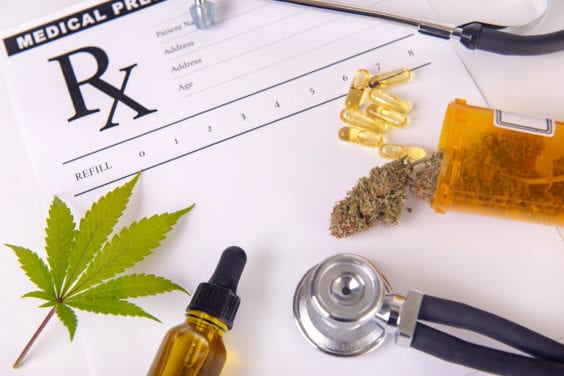
As cannabis becomes more widely accepted, one question we hear often is what actually makes medical cannabis “medical”? Is it a different plant?
The answer is no. It is the same plant. What makes it medical is how it is accessed, regulated, and used.
Let’s break it down.
What Makes Cannabis Medical?
Medical cannabis is defined by the way it is certified, purchased, and intended to be used. Here are the key differences.
Physician Certification and Registration
Medical cannabis requires certification from a licensed healthcare provider for a qualifying condition. Patients are registered with the state medical program and receive a medical card.
This process adds structure and intention. Cannabis is being used as part of a treatment or wellness plan rather than casual use.
Access and Purchase Limits
Medical patients in Massachusetts are allowed higher purchase and possession limits under state guidelines. For patients managing chronic pain, severe anxiety, insomnia, or other conditions, consistent access matters.
Tax Savings
Medical cannabis is not subject to the same state and local taxes as adult-use cannabis. For patients who rely on cannabis regularly, those savings add up over time.
Age Access
Medical cannabis is available to certified patients 18 and older, while adult use remains 21 and older. This allows younger adults with qualifying conditions to access cannabis legally and responsibly.
What Are the Benefits of Having a Medical Card?
Even for those who currently shop adult use, there are meaningful advantages to becoming a registered patient.
Financial Relief
Between tax exemptions and potential patient programs, medical patients often see long-term savings. Many dispensaries offer a variety of medical discounts and promos.
Higher Possession Limits
Patients are permitted higher limits, which can reduce the need for frequent trips and provide consistency for those who depend on cannabis daily.
A More Intentional Approach
Medical patients often focus more on cannabinoid and terpene profiles rather than just THC percentage. Many are looking for specific outcomes such as pain relief, improved sleep, or anxiety management.
This shift in focus changes how products are chosen. It becomes about what works best for your body rather than what number looks highest on a label.
Added Legitimacy
While protections vary depending on the situation, having a medical card provides formal recognition that cannabis is being used for a qualifying condition.
Why It Matters
What makes cannabis medical is the intention. It is the difference between occasional use and structured use guided by a healthcare provider.
For many people, medical cannabis becomes part of a broader wellness plan that may also include therapy, movement, nutrition, or other supportive practices.
If you are using cannabis regularly for a specific condition, exploring the medical program may be worth considering.
Medical March is about education and understanding your options. If you have questions about the differences between medical and adult use, our team is always here to help.
Because informed choices lead to better outcomes.